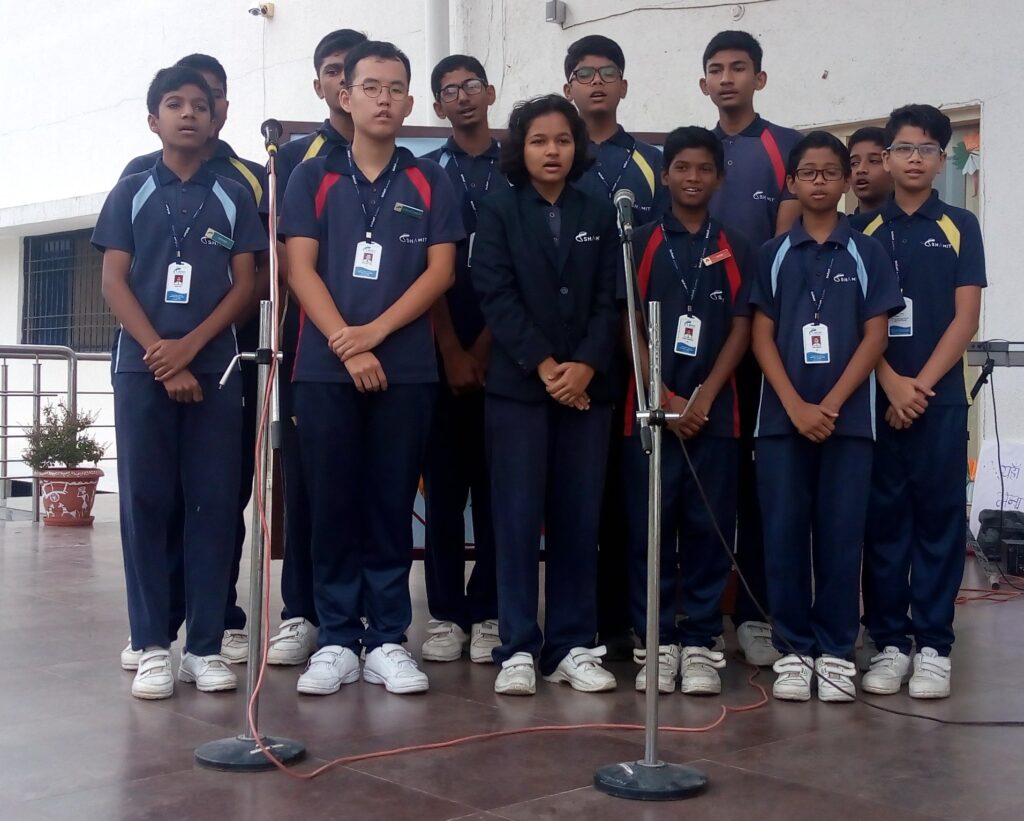
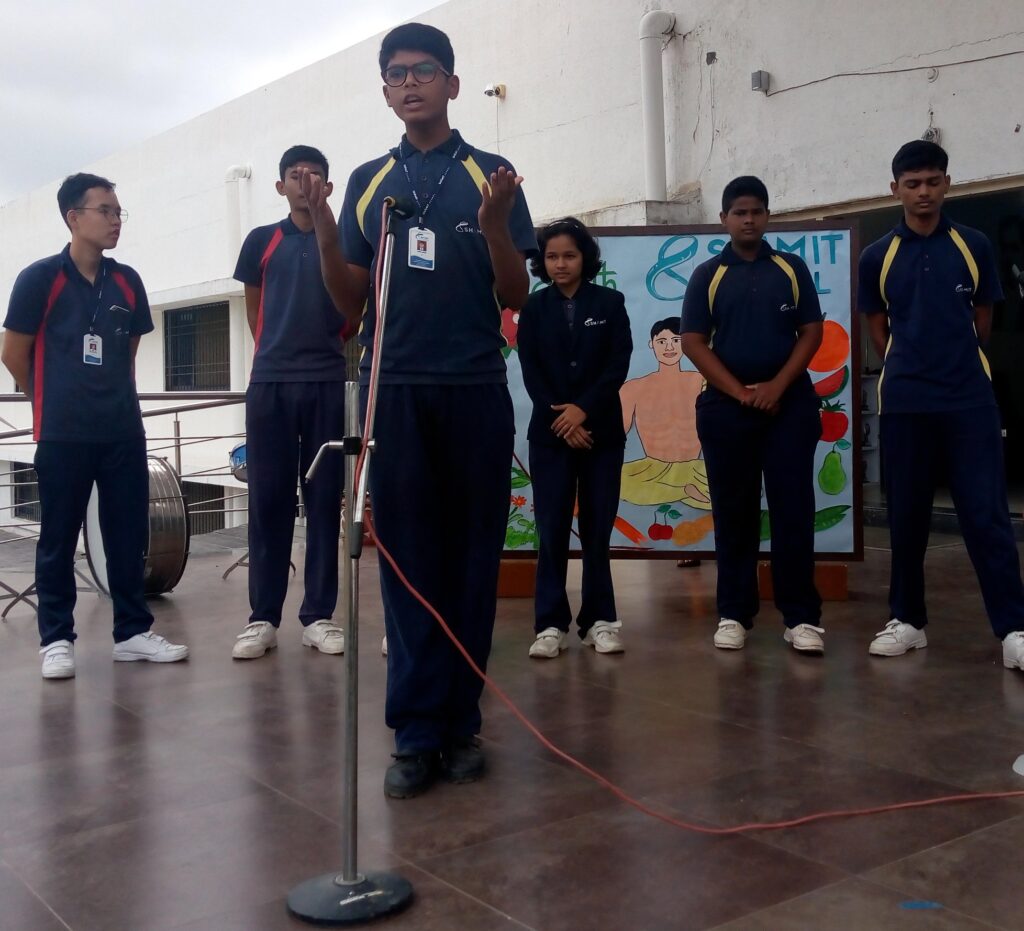
Indian classical music is a genre of South Asian music. The roots of the classical music of India are found in the Vedic literature of Hinduism and the ancient Natyashastra, the classic Sanskrit text on performance arts by Bharata Muni. We train our students in Indian Classical Music, in Vocal & Instrumental both at the Music Studio located in the basement of our building.
Vocal
The Indian classical music has two foundational elements, raga and tala. The raga forms the fabric of a melodic structure, the tala measures the time cycle. The raga gives an artist the ingredients palette to build the melody from sounds, while the tala provides her with a creative framework for rhythmic improvisation using time. Students learn at least 1 Raag & 1 Taal in every term. The curriculum taught includes Swara, Alankar, Raag & Taal.
Instrumental
Singing is the heart of all studies. When playing your instrument you must be “singing inside.” At Shamit School, we conduct class lessons for learning to play various musical instruments. Our experienced staff teaches students to play various instruments through a thoughtfully designed curriculum mainly based on Indian Classical Music. We give our students exposure to various instruments that includes keyboards, casio, harmonium, table, guitar, flute, drums etc.
Art & Crafts
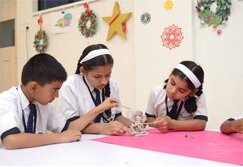
Modeling clay is any of a group of malleable substances used in building and sculpting. The material compositions and production processes vary considerably. Children particularly enjoy it as they use their own hands to give form to raw substances.
Painting
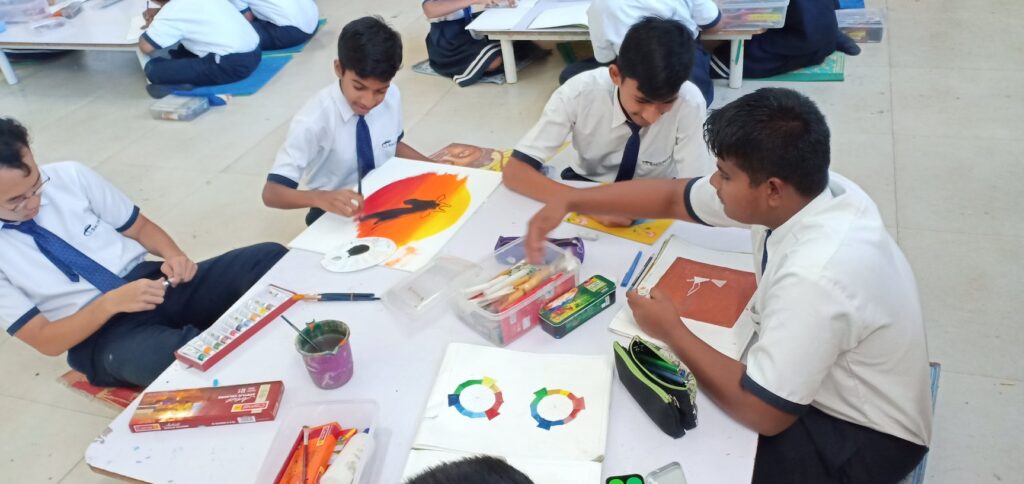
Painting is the practice of applying paint, pigment, color or other medium to a solid surface (support base). The medium is commonly applied to the base with a brush, but other implements, such as knives, sponges, and airbrushes, can be used. It is a mode of creative expression, and the forms are numerous. Paintings can be naturalistic and representational (as in a still life or landscape painting), photographic, abstract, narrative, symbolistic (as in Symbolist art), emotive (as in Expressionism), or political in nature (as in Artivism).
Origami
Origami (from ori meaning “folding”, and kami meaning “paper”) is the art of paper folding, which is often associated with Japanese culture. In modern usage, the word “origami” is used as an inclusive term for all folding practices, regardless of their culture of origin. The goal is to transform a flat sheet square of paper into a finished sculpture through folding and sculpting techniques. Children enjoy this form of art as it gives them freedom to experiment.
Warli Painting
Warli painting is a tribal art mostly done by Adivasi from North Sahyadri Range in Maharashtra. There is extremely rudimentary wall paintings use a very basic graphic vocabulary: a circle, a triangle, and a square. Their paintings were monosyllabic. The circle and triangle come from their observation of nature; the circle representing the sun and the moon, the triangle derived from mountains and pointed trees.
Sketching
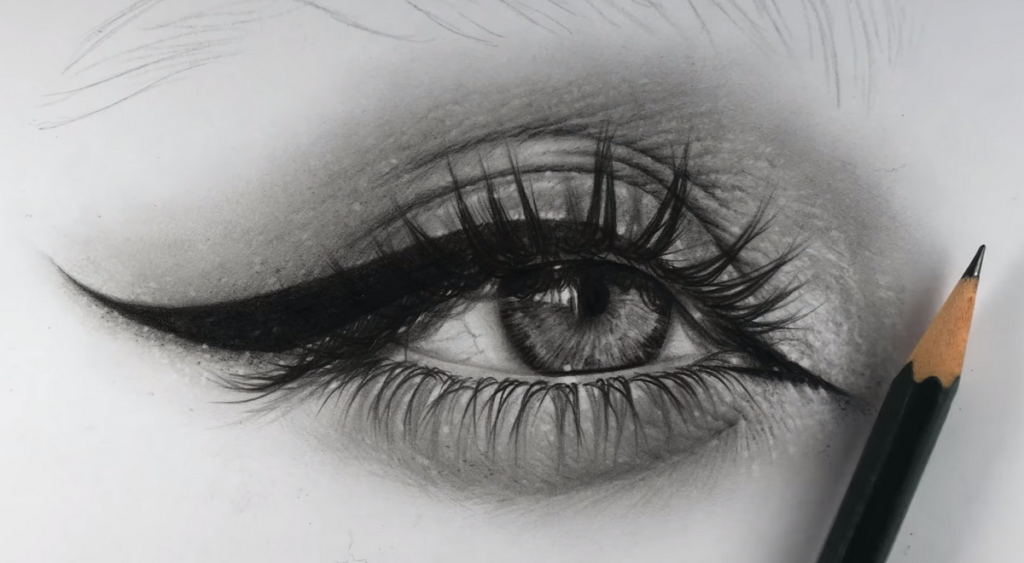
Arts and crafts are fun for children! These activities cover a wide range of subjects for young artists, future artisianal book makers, potential puppeteers, and more. The Art & Craft Studio houses immense forms for the children to explore. The children love to experiment with all colors & shades in various styles of art.
Clay Modelling
Modeling clay is any of a group of malleable substances used in building and sculpting. The material compositions and production processes vary considerably. Children particularly enjoy it as they use their own hands to give form to raw substances.
Still Life
A still life (plural still life) is a work of art depicting mostly inanimate subject matter, typically commonplace objects which may be either natural (food, flowers, dead animals, plants, rocks, or shells) or man-made (drinking glasses, books, vases, jewelry, coins, pipes, and so on).
Dance
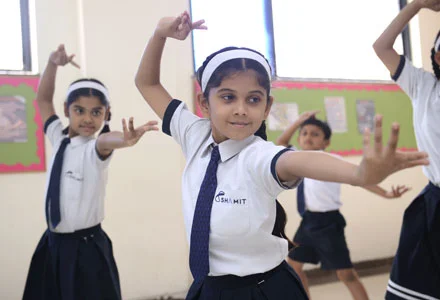
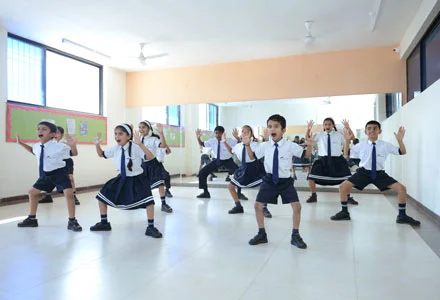
Dance is an integral part of the co-scholastic curriculum of our School. We teach our students all forms of dance, Indian as well as Global, through a well designed curriculum in the Dance Studio. We equip our students with the technical terms of each dance form they learn. Dance in our school is broadly divided into
Indian Classical Dance
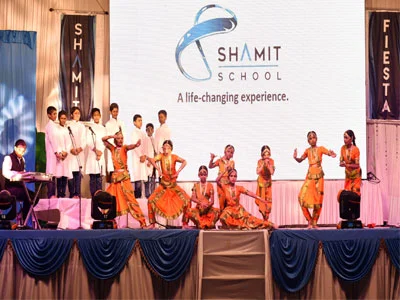
As with other aspects of Indian culture, different forms of dances originated in different parts of India, developed according to the local traditions and also imbibed elements from other parts of the country. India recognizes eight traditional dances as Indian classical dances namely, Bharatnatyam, Kathak, Kathakali, Kuchipudi, Odissi, Sattriya, Manipuri and Mohiniyattam. We take pride in teaching all our students the essence of classical dances of India, which will help them root with the Cultural Heritage of the country.
Folk Dance
Folk dances are numerous in number and style and vary according to the local tradition of the respective state, ethnic or geographic regions. Indian folk are simple dances, and are performed to express joy and happiness among themselves. The dances are extremely simple with minimum of steps or movement. From time to time our students are introduced to various folk dance of India, like Bhangra, Garba, Ghoomar, Lavani etc., along with its origin and other details.
Western Dance
Western dances have evolved over time and as the world has become such a small place, the cultural give and take has risen tremendously over the past few decades. This has given many opportunities to the artists to try their hands in western dance forms of the world like Salsa, Hip-hop, Break Dance, Ballet, Tap Dance etc. Our mentors take great efforts to train our students in these forms as a part of the curriculum. Contemporary dances forms include refined and experimental fusions of classical, folk and Western forms.
Drama
Introduction of Drama in school, paves way to include the interactive theatre/drama practices that help aid the educational process. From past many years education is becoming a rote learning process. The education that the students are getting these days is not being applied creatively in any area. Contrary to this ‘rote’ education, drama presents a different approach for discussions, contributions, creativity, through performance. It fulfils all types of learning and enhances the development process. Drama in the school curriculum is both a method and a subject. As a curriculum subject it uses various dramatic elements such as movement, voice, concentration, improvisation and role play to aid the personal development of the student. As a method it utilizes role play and acting out to teach the student through experience, for example, to learn the facts of an historical event by acting it out. The Drama Studio is a platform we provide to every child, to express themselves and reach out to the audience.
Events
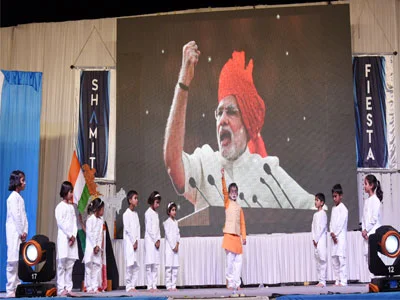
Shamit Fiesta
It is an Annual event for the children and the staff. It promotes the students to offer their contributions enthusiastically. It provides a platform to the children exhibit their talents in the field of Drama, music, Dance. Also it is a day which acknowledges the endeavors made by the children to shine throughout the year.
Diwali Joytime
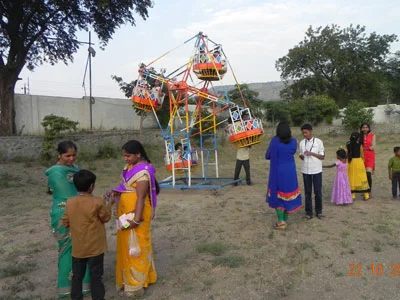
Fun is at its peak for the children as its time for them to celebrate the ‘Festival of lights’. The school, children and their parents come together to be a part of the festive bash. Children enjoy to the fullest also imbibe values of team work and co-operation while they assist their mentors at the stall.
Science Exhibition
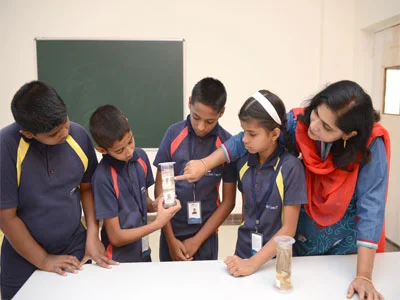
It is the place where the ideas and logical skills of children meet the audience. A blend of creativity, organization and analytic approach is displayed by the children through their models and experiments.
Sports day
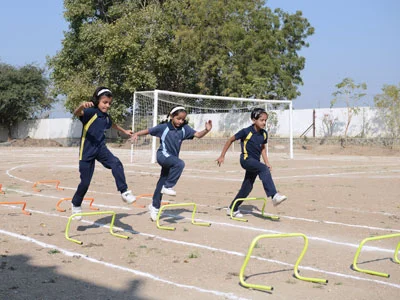
One of the most eagerly awaited event of the year where the premises echoes with the voice of cheering. The physical abilities of endurance, flexibility and stamina are exhibited, judged and awarded. It also fosters qualities of generosity, sportsmanship and discipline among the children.